Thermo Finnigan Precon reaction cell repair
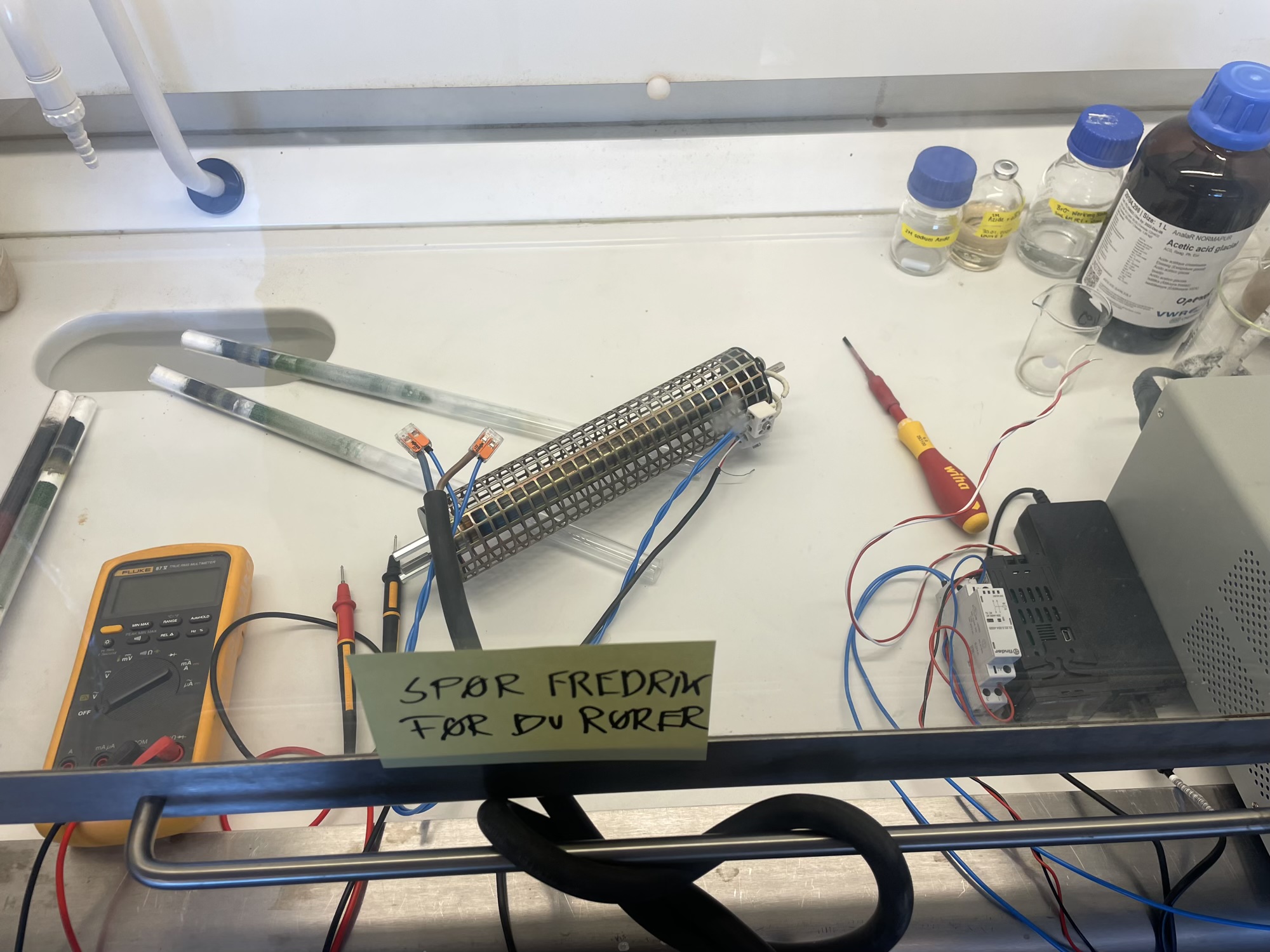
The IRMS Precon is quite nifty, its a device which which first concentrates gases by running it freezing it out in a capilary submerged in liquid nitrogen, then its thales out and sent to a reaction cell which converts Methane to CO2 for IRMS isotope analysis. The instrument package is closer to 24 years old, and it suddenly stopped working, it turned out the reaction cell was burned up.
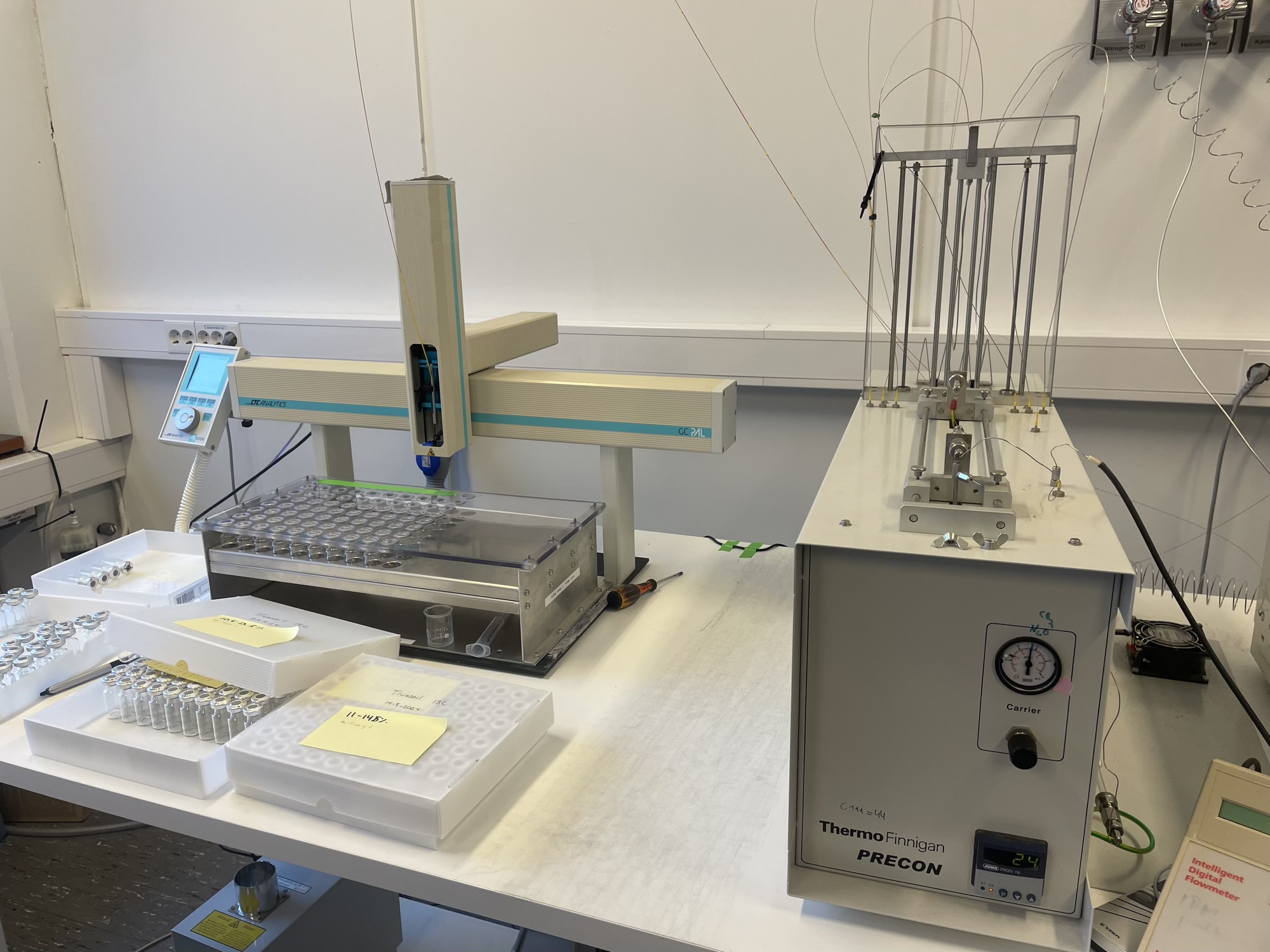
When we quoted Thermo for a replacement oxidation tube they wanted close to $10k for it, so we decided to try our hands on building our own. The reaction-cell itself is quite simple, its a ceramic tube heated to 800 degrees C with ceramic gas capillaries running through it, the capillary is filled with nickel, copper and platinum wire as a catalyst, and it converts Methane to CO2, which in turn can be sent to the IRMS to find the isotope ratios.
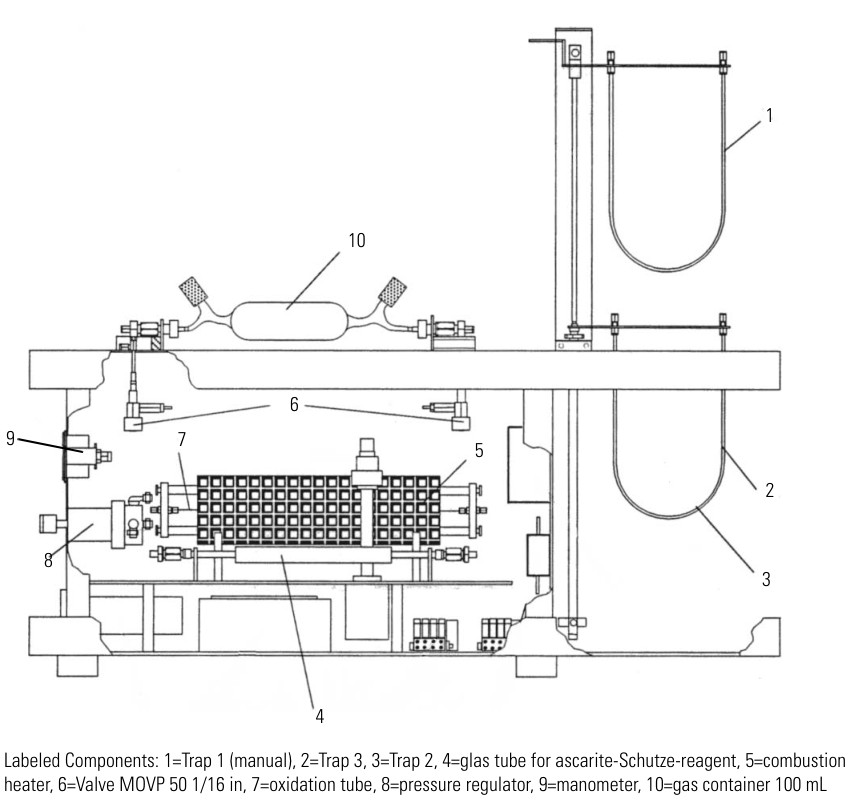
The oxidation tube in question is number 5 and 7 on this diagram ,thermo product number 1068350
The parts i needed for the repair was all avaliable at Mcmaster carr and parts in the lab
| Use | PN | Description |
|---|---|---|
| Capilaries | 8746K451 | Nonporous Alumina Ceramic Tube, 0.063" OD, 0.031" ID, 12" Long |
| Main heated tube | 87175K66 | Nonporous Alumina Ceramic Tube, 4 Bores, 0.258" OD, 0.078" ID, 18" Long |
| Endcaps | 8484K74 | Easy-to-Machine Alumina-Bisque Ceramic, 1" Diameter Rod, 12" Length |
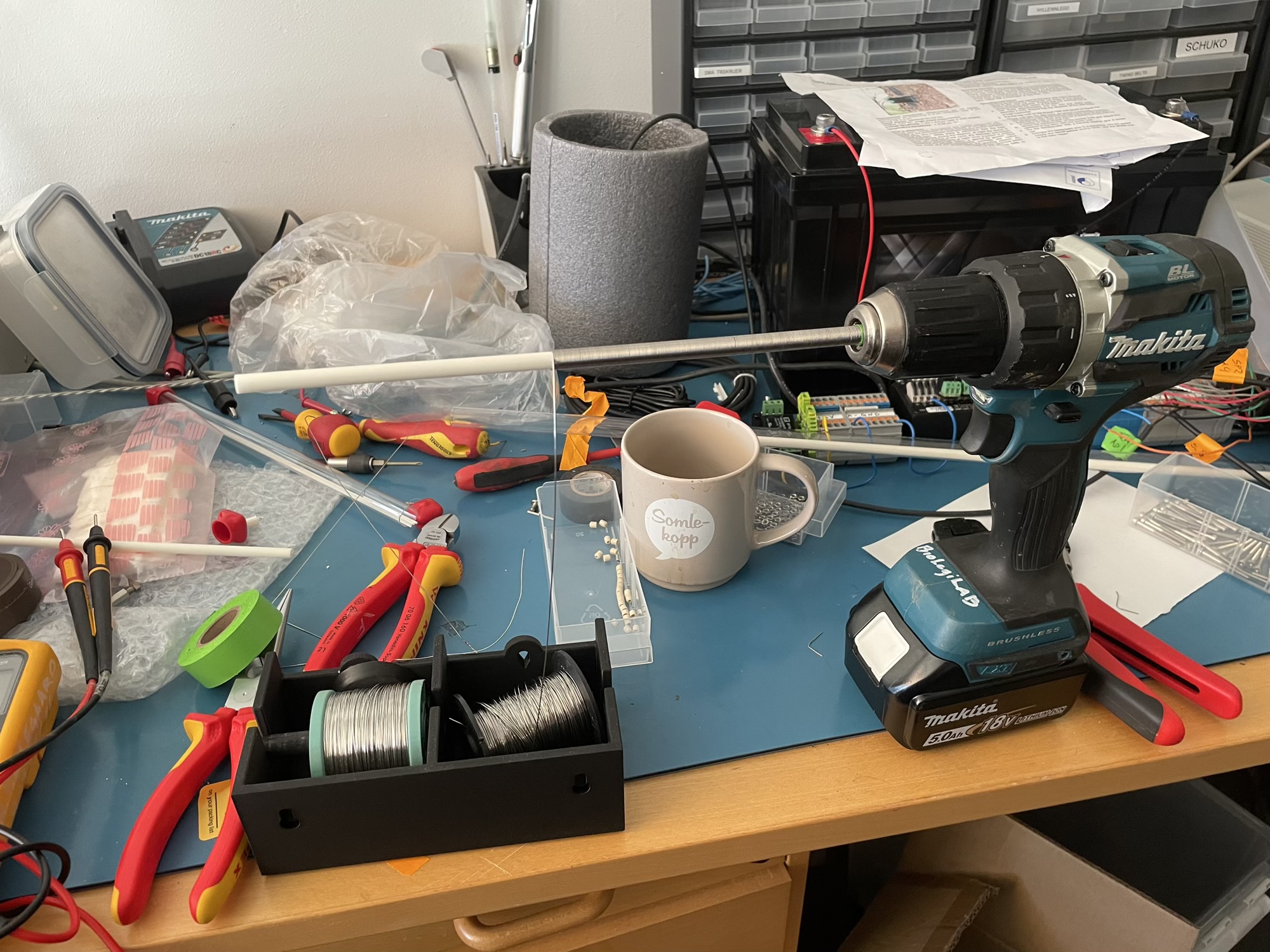
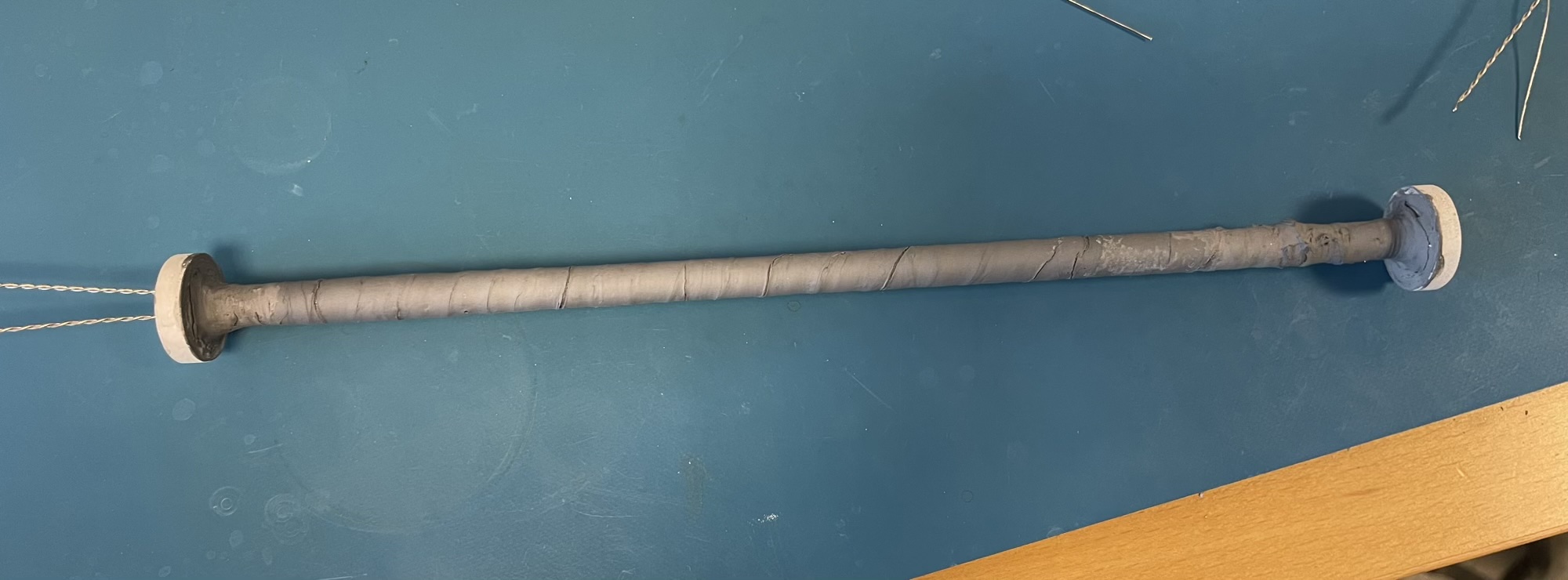
To make the heated tube i just cut the 4bore ceramic tube to length using a diamond tipped dremel bit, and wrapped it with 24awg nichrome wire using a drill.
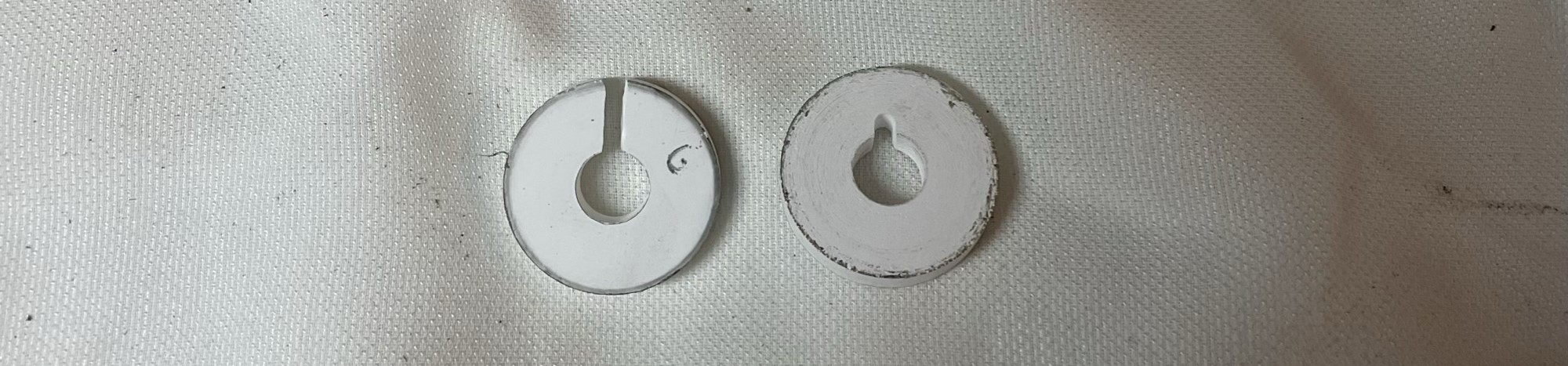
The tube had two endcaps which i machined out of the Alumina Bisque,
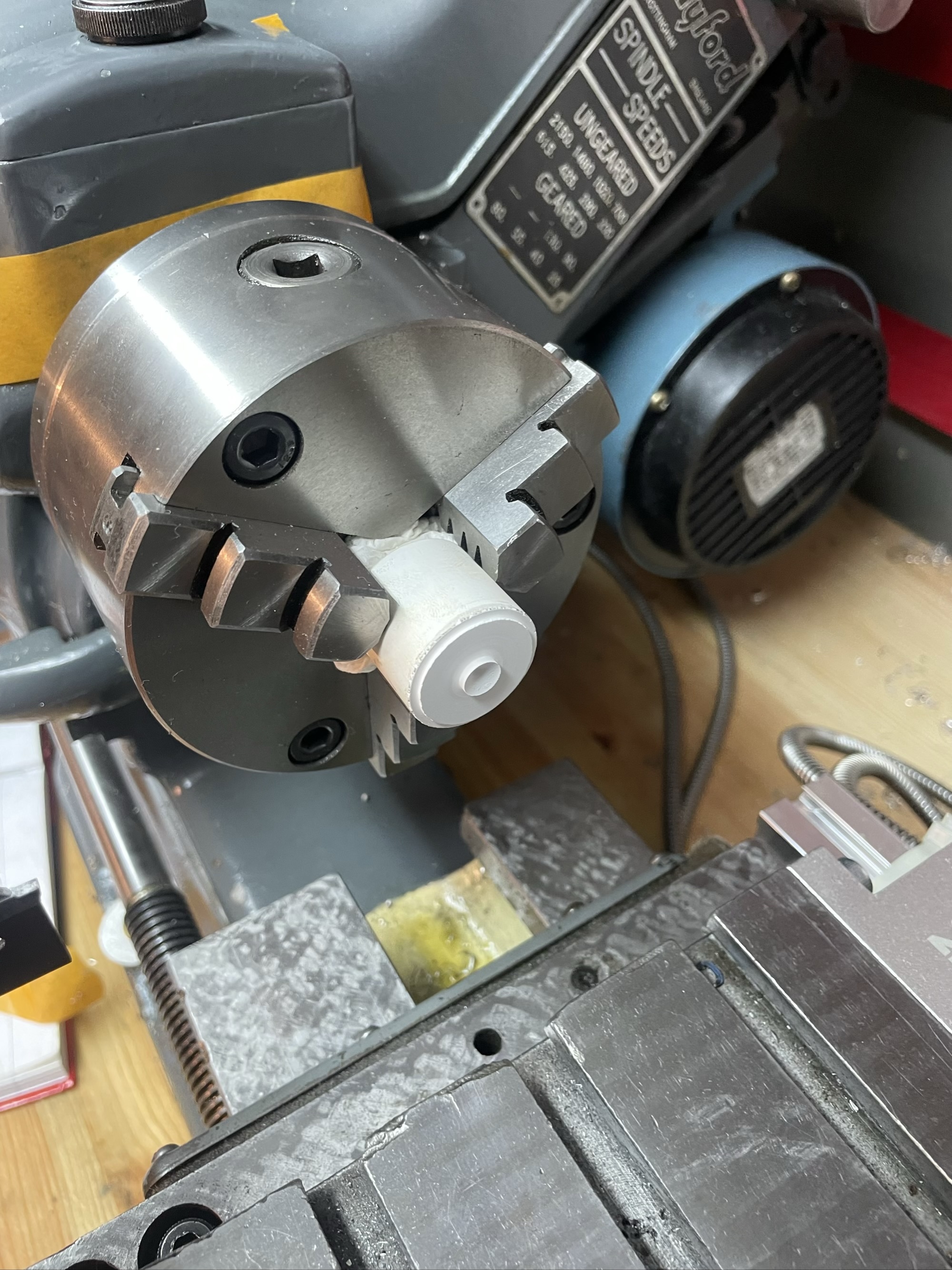
The alumina bisque is a green almunia ceramic, so its very soft and machinable. You should fire it at 1600 degrees to get full mechanical properties, but we have no ovens that hot here, so i just kept them green
Then i smeared it all in Oven sealant (Which is supposed to be resistant up to 1500C
The for the catalyst capillary i used 0.1mm 99+% pure platinum, nickel and copper wire we had in the lab, which i twisted and fed through the thin ceramic capillary. And put the tube back in the heatshield and ran it up to 1000C for testing.
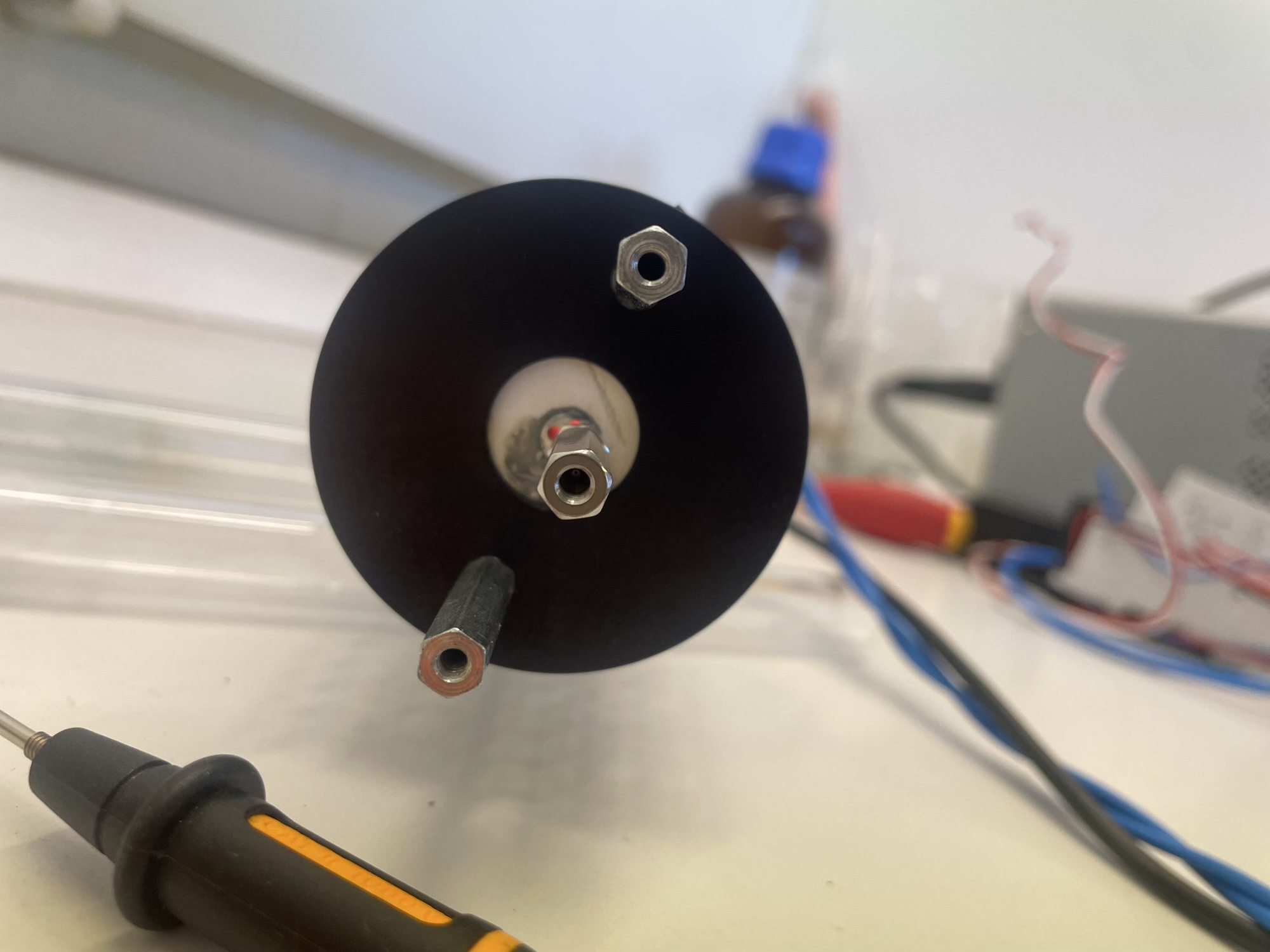
You can see the dull red glow from inside the chamber. I put it back in the precon, and the oxidation tube is still working now one year later